
Material guide
Bandsaw blades for cast iron
Cast iron's hard skin and abrasive graphite blunt conventional teeth fast. Carbide-tipped blades cut cleanly through the skin while tungsten carbide grit edges handle chilled or heavily scaled castings that defeat toothed blades.
The problem with cutting cast iron
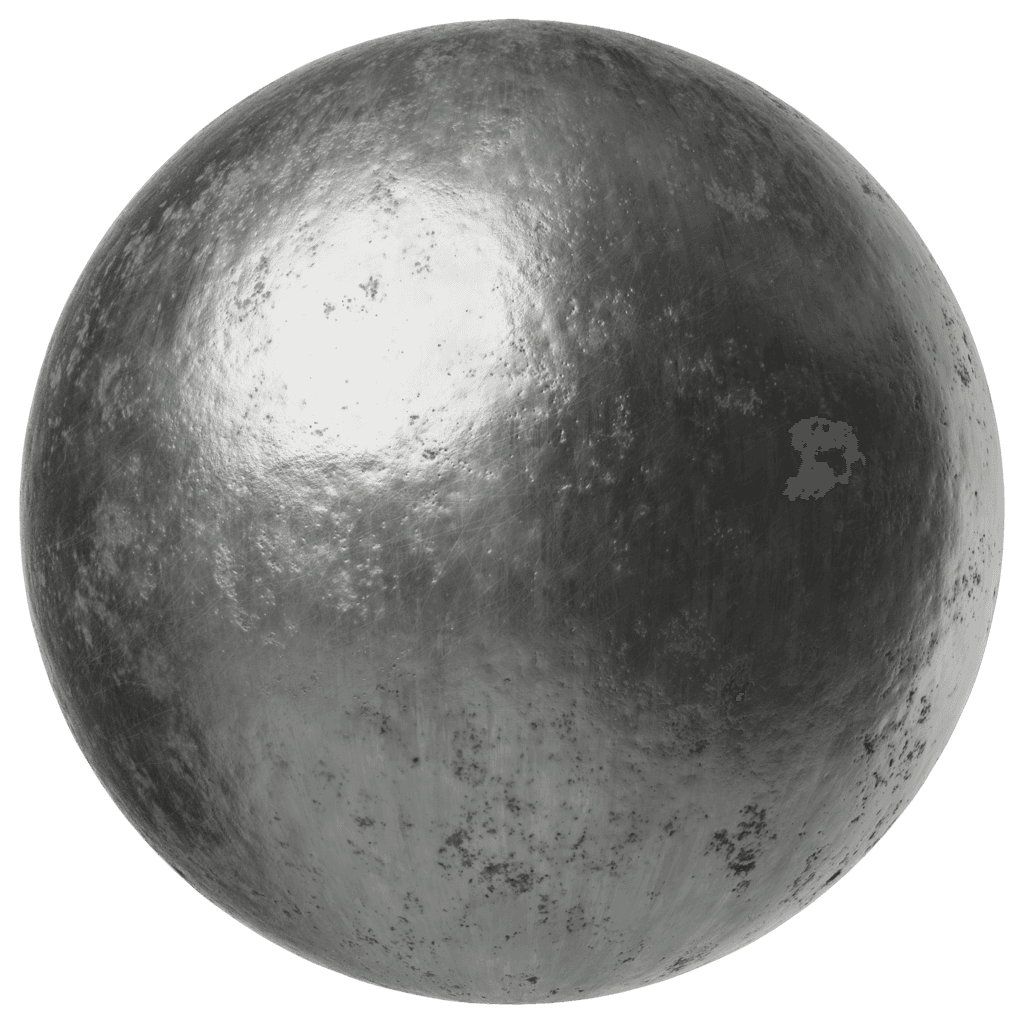
A casting never presents a clean, uniform face to the blade. The skin carries residual moulding sand, scale and often chilled zones that are far harder than the metal beneath. A conventional toothed edge meeting that skin rubs rather than cuts, so the tooth rounds over quickly. Once the corner has gone the blade makes heat instead of chips and the wear accelerates from there.
The body of the casting is no kinder. Cast iron does not form the long, continuous chip that steel does; it breaks away as short, powdery fragments and the graphite structure that produces them is abrasive. Every stroke scours the tooth face and flank, so even a blade that survives the skin is being steadily lapped away by the material it is cutting.
The answer is an edge harder than anything in the casting. Tungsten carbide tips stay hard far beyond the temperatures that finish a high speed steel edge, so they shear through skin and body without losing their geometry. Where the iron is chilled or heavily scaled, a tungsten carbide grit edge goes further: with no teeth to blunt, it simply abrades its way through.
Recommended blades for cast iron
Blades on sale today that suit this material, with the reason from each listing. Every one is welded to your machine's length.
| Blade | Construction | Width range | Why this blade | Price |
|---|---|---|---|---|
| 3859 EZX Extreme Easy-Cut EZX Bandsaw BladeBahco | Tungsten carbide tips on an alloy backing, some further coatedCarbide-tipped blades guide | 27mm to 67mm | Easy-Cut Xtreme EZX trimetal blade for structural and stainless steel, cast iron, high-temperature alloys and tool steel. | From £28.55 ex VAT£34.26 inc VAT |
Getting the cut right
General rules that hold across machines. Exact widths, pitches and options are on each product page.
Match the edge to the casting
For most cast iron a carbide-tipped blade cuts cleanly through the skin and holds its edge in the abrasive body. Where the casting is chilled, heavily scaled or carrying trapped sand, choose a tungsten carbide grit edge instead: with no teeth to blunt, it keeps cutting where a toothed edge would round over.
Get through the skin quickly
The skin is the hardest part of the cut, so do not baby the blade through it. A positive, steady feed keeps each tooth biting beneath the surface rather than rubbing on it; light feeds let the teeth skate on the hard skin, which is exactly what blunts them. Once through, hold the feed consistent to the far side.
Set the machine up rigidly
Interrupted, abrasive cutting punishes a loose setup. Tension the blade properly, bring the guides as close to the work as the casting allows and clamp the piece so it cannot rock as the section changes. Castings are rarely uniform, so expect the load to vary through the cut and let a rigid setup absorb it.
Keep the swarf clear
Cast iron cuts as fine, powdery swarf rather than curled chips. That powder is abrasive wherever it settles. Clear it from guides, wheels and wear surfaces regularly, then brush the blade so the gullets do not pack. If it grinds between band and wheel it wears the machine as effectively as it wears the blade.
Industry guide
Non-Ferrous Metals and Foundry
Cutting cast iron for a living? The industry guide maps the whole workload, not just this material.


Frequently asked questions
What bandsaw blade do I need for cutting cast iron?
Can I cut cast iron with a bi-metal blade?
What blade for chilled or heavily scaled castings?
Tell the blade wizard your machine and length and it will narrow the range for cast iron.
Find my blade