
Material guide
Leather splitting blades and bandknives
Leather cuts cleanly on a knife edge, not a saw. Straight-edge bandknives cut hides and panels to shape without snagging the grain, while wide peeler and splitter blades take leather down to an even thickness.
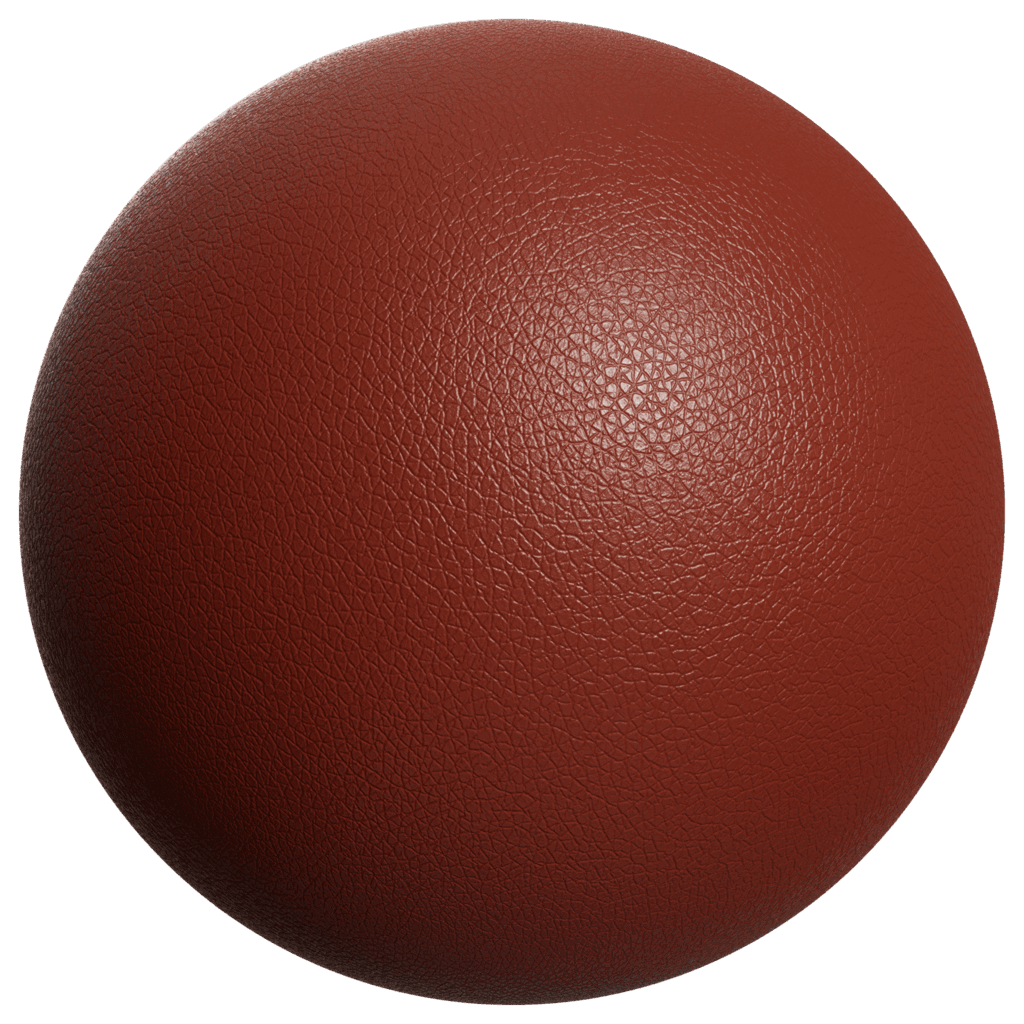
The problem with cutting leather
Leather is a dense mat of natural fibres with a finished grain surface that shows every mistake. Run a toothed blade through it and each tooth snags fibres rather than severing them: the cut edge frills, the grain drags and stretches around the cut and the hide pulls into the blade instead of feeding past it. On thin or soft leathers the material simply follows the teeth, leaving a ragged line where a clean one was needed.
Splitting is harder still. Taking a hide or panel down to thickness means holding a perfectly even cut across the full width of the material, which a toothed edge cannot do. Any snatch or vibration telegraphs straight into the split thickness, while a natural hide that varies in softness across its area punishes an unstable band.
A bandknife works differently. A straight-edge bandknife is a continuous honed knife edge with no teeth, so it slices through the fibre structure in one motion, with no kerf and no dust. The grain stays intact, edges stay clean and, on wide peeler and splitter blades, the width of the band gives the stability an accurate split depends on.
Recommended blades for leather
No blade is listed in the shop for leather at the moment. If you cut it regularly, ask about it on the contact page.
Ask on the contact pageGetting the cut right
General rules that hold across machines. Exact widths, pitches and options are on each product page.
Choose a knife edge, not teeth
Leather belongs on a bandknife. A continuous honed edge severs the fibres in one pass and leaves the grain surface intact, where saw teeth snag, tear and drag the hide. For cutting hides and panels to shape, start with a straight-edge bandknife and keep toothed bandsaw blades for the materials they were made for.
Go wide for splitting
Cutting to shape and splitting to thickness are different jobs. When you are taking a hide or panel down to an even substance, fit a wide peeler and splitter blade: the extra width holds the band flat and stable through the cut, which is what an accurate, consistent split depends on.
Keep the edge keen
A bandknife cuts by keenness, not tooth action, so edge condition decides everything. A dull edge stops slicing and starts dragging, stretching the hide and roughening the cut face. Watch for a band that needs more feed pressure than yesterday: rising pressure is the first sign the blade needs attention. Forcing a dull knife through leather spoils the work and the blade.
Feed steadily, support the hide
Leather is flexible and stretches under load, so the way it is fed shapes the cut as much as the blade does. Keep the hide supported flat, feed at an even rate and never force the material into the edge. A steady feed keeps the split thickness consistent and stops the grain distorting around curves and corners.
Industry guide
Textiles, Leather and Soft Materials
Cutting leather for a living? The industry guide maps the whole workload, not just this material.


Frequently asked questions
What blade should I use to cut leather to shape?
What blade do I need for splitting leather?
Will the same bandknife cut leather and other soft materials?
Tell the blade wizard your machine and length and it will narrow the range for leather.
Find my blade