
Material guide
Bandsaw blades for MDF and chipboard
Resin-bonded panels dull edges faster than the wood fibre they hold, so the sensible choice is a hardened carbon blade in a fine, consistent pitch: clean panel edges at a blade cost that suits frequent changes.
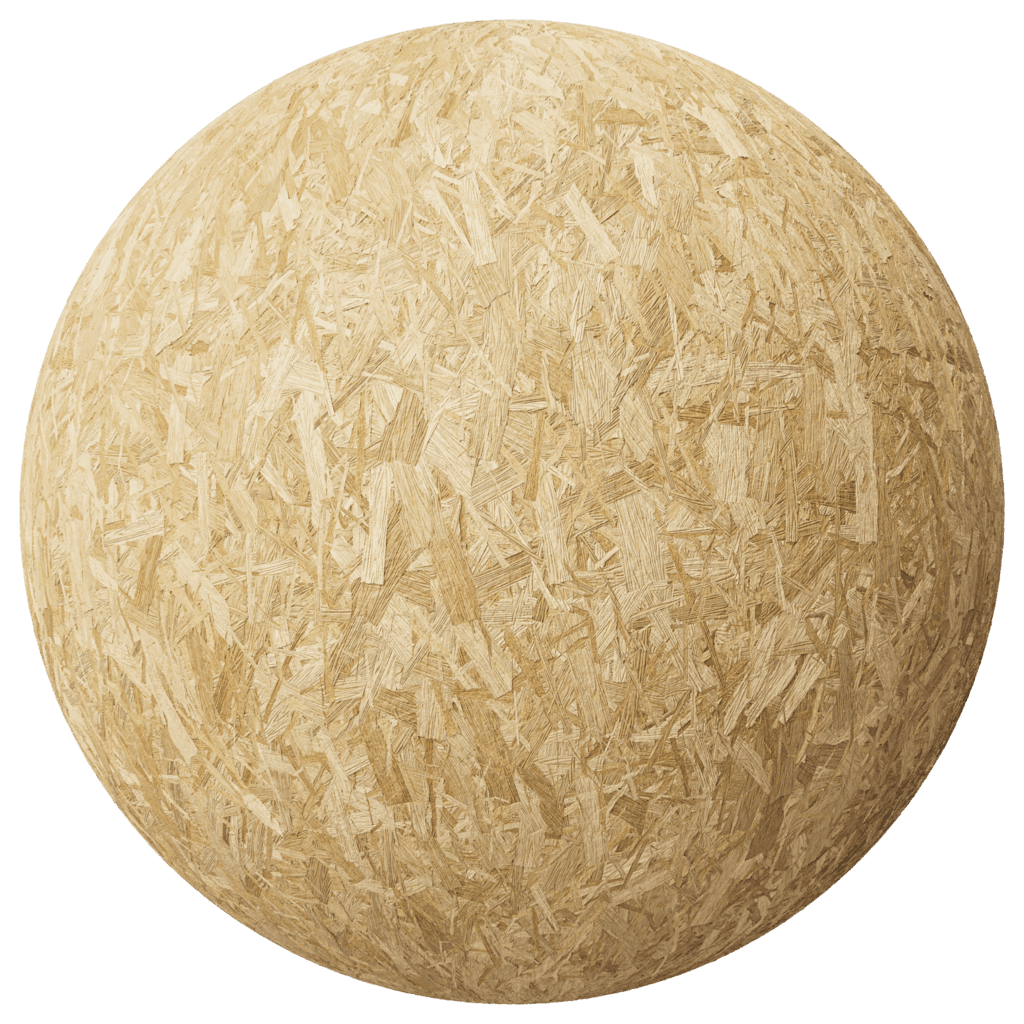
The problem with cutting mdf and chipboard
MDF and chipboard look like easy cutting. To a fresh blade they are. The catch is the resin. Both panels are built from wood fibre or chips bound in cured adhesive. That glue line is more abrasive than the wood around it. A blade that would rip solid softwood all week loses its edge noticeably faster in panel products, with no grain to help: every millimetre of the cut runs through bonded material.
As the edge rounds over, the symptoms arrive quickly. The teeth stop severing fibre cleanly and start tearing it, so the top face fuzzes and the bottom face chips out around the kerf. Feed pressure creeps up to compensate, the blade heats and the cut starts to wander or belly in thicker panels.
The right response is not an exotic blade but a sensible one. A hardened carbon edge in a fine, consistent pitch keeps more teeth in the cut, so each tooth takes a smaller bite and the edge wears evenly rather than raggedly. Because a carbon blade keeps the cost per band sensible, you can change it the moment finish drops off instead of nursing a dull edge through good boards.
Recommended blades for mdf and chipboard
Blades on sale today that suit this material, with the reason from each listing. Every one is welded to your machine's length.
| Blade | Construction | Width range | Why this blade | Price |
|---|---|---|---|---|
| Saw37C Flex Back Carbon Bandsaw BladeDakin-Flathers | Hardened carbon steel body and teeth, no alloy tipCarbon steel blades guide | 3mm to 32mm | Flexback carbon bandsaw blade for wood, plastics and non-ferrous metals, welded to your length in the UK. | From £10.93 ex VAT£13.12 inc VAT |
Getting the cut right
General rules that hold across machines. Exact widths, pitches and options are on each product page.
Choose a fine, consistent pitch
Panel products have no grain direction, so the tooth does all the work. A fine, consistent pitch keeps several teeth engaged in the board at once, which spreads the load, cuts down breakout on the exit face and leaves an edge that needs less sanding. Coarse rip pitches tear chipboard faces rather than shearing them.
Let the blade set the feed
Resin-bonded board punishes forced feeds. Push hard and the teeth compact dust in the gullets, heat builds and the freshly dulled edge starts tearing the faces. Feed at the rate where the blade cuts without complaint and the sawdust comes off dry and loose. If you have to lean on the workpiece to keep the cut moving, the edge has gone.
Set guides close and square
Panel edges show every wobble. Set the guides just above the board, check the band runs square to the table and tension the blade to the machine maker's mark. A slack band flutters. In sheet stock that flutter prints straight onto the visible edge you were trying to keep clean.
Change blades on finish, not failure
The resin content means a blade dulls in MDF and chipboard well before it stops cutting. Judge blade life by the edge quality of the boards, not by whether the band still gets through. The moment faces start to fuzz or chip out, fit a fresh blade: sensible carbon blade prices make changing early cheaper than reworking spoiled panels.
Industry guide
Joinery, Furniture and Wood Panel
Cutting mdf and chipboard for a living? The industry guide maps the whole workload, not just this material.


Frequently asked questions
What bandsaw blade do I need for MDF?
Is chipboard harder on bandsaw blades than solid wood?
Do I need a premium blade for cutting panel products?
Tell the blade wizard your machine and length and it will narrow the range for mdf and chipboard.
Find my blade