
Material guide
Bandsaw blades for hardwood
Dense, abrasive hardwood rewards a durable, precise edge. Hardback carbon blades hold a straight line through deep rip cuts, flexback carbon covers contour work and bi-metal wood blades hold their edge where carbon blunts too fast.
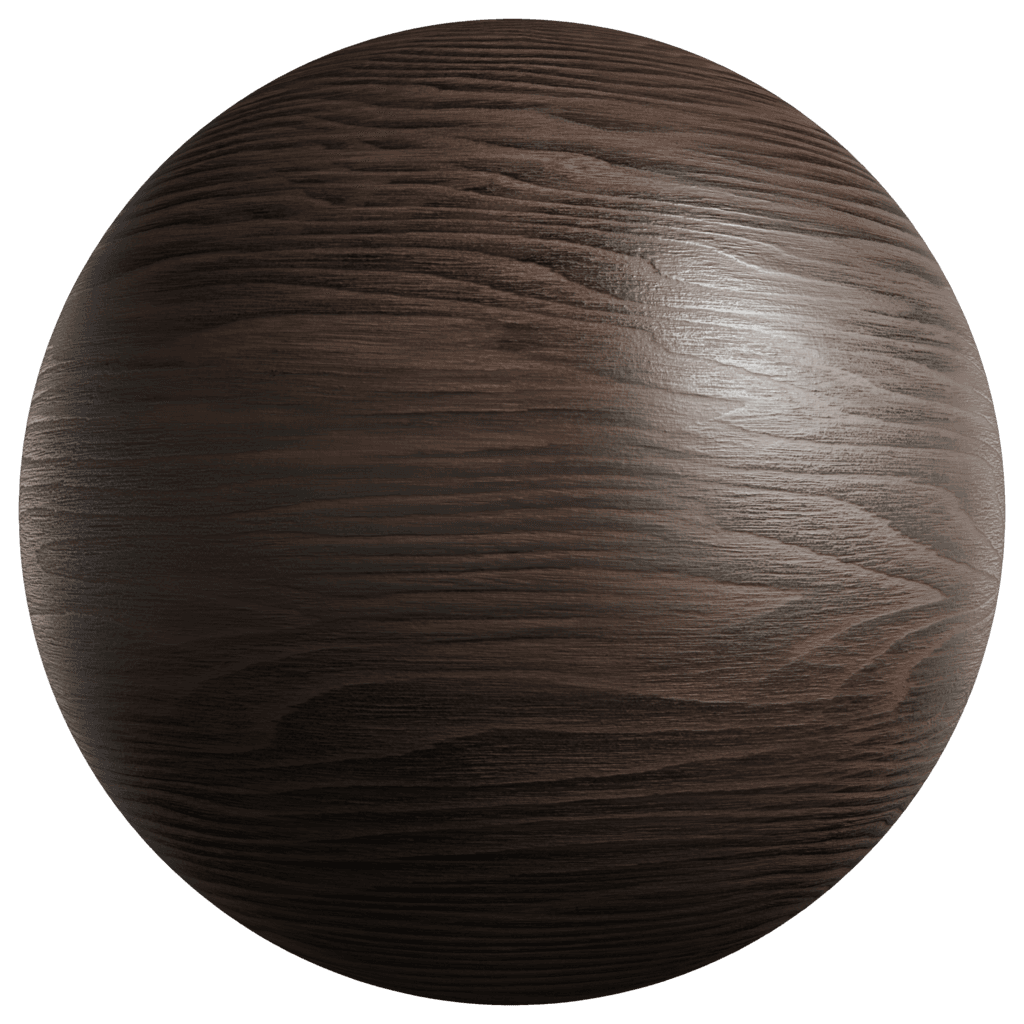
The problem with cutting hardwood
Hardwood punishes a blade in two ways at once. The density of the timber resists tooth penetration, so every tooth has to be driven into the cut rather than eased through it. Many hardwood species are also abrasive enough to wear a plain carbon edge quickly. Once the edge rounds over, the blade stops cutting and starts rubbing: feed pressure climbs, the cut burns and the band wanders off line.
The right edge holds its geometry. A sharp, consistent tooth line takes an equal bite on every pass, so the cut stays straight and the finish needs less sanding afterwards. Where abrasion is the real enemy, a bi-metal wood blade puts a high speed steel edge on a fatigue-resistant backing and keeps cutting long after a carbon edge has blunted.
Beam strength matters just as much when ripping deep sections. A hardback carbon blade is hardened through the back as well as the teeth, so it resists deflection under feed pressure and holds a straight line at a cost that suits general work.
Recommended blades for hardwood
Blades on sale today that suit this material, with the reason from each listing. Every one is welded to your machine's length.
| Blade | Construction | Width range | Why this blade | Price |
|---|---|---|---|---|
| Saw37C Flex Back Carbon Bandsaw BladeDakin-Flathers | Hardened carbon steel body and teeth, no alloy tipCarbon steel blades guide | 3mm to 32mm | Flexback carbon bandsaw blade for wood, plastics and non-ferrous metals, welded to your length in the UK. | From £10.93 ex VAT£13.12 inc VAT |
Getting the cut right
General rules that hold across machines. Exact widths, pitches and options are on each product page.
Match the edge to the job
For deep, straight ripping choose a hardback carbon blade: the hardened back adds the beam strength that keeps the cut on line. If the timber is abrasive or very hard and carbon edges are blunting quickly, step up to a bi-metal wood blade. For curved components and machines with smaller wheels, a flexback carbon blade is the sensible default.
Pick the widest blade that fits
A wider band has more beam strength, so it resists deflection and holds a straighter line through deep rip cuts in dense timber. Fit the widest blade your machine's wheels and guides accept for resawing and keep narrower bands for curved work. Whatever the width, the blade is welded to your machine's exact loop length.
Give the gullets room to clear
Dense hardwood fills gullets quickly and every tooth in the cut has to carry its sawdust clear. Deep rip cuts want a coarser pitch with generous gullets; a pitch that is too fine packs with dust, builds heat and pushes the blade off line. Save finer pitches for shallower cuts where finish matters most.
Feed steadily, never force it
Set the tension your machine and blade maker specify, check tracking and guides, then feed at a rate the blade accepts without slowing. Forcing dense timber deflects the band and produces a bowed cut; feeding too gently lets the teeth rub and dull instead of biting. A sharp blade should pull steady, even shavings, so change it when it starts asking for pressure.
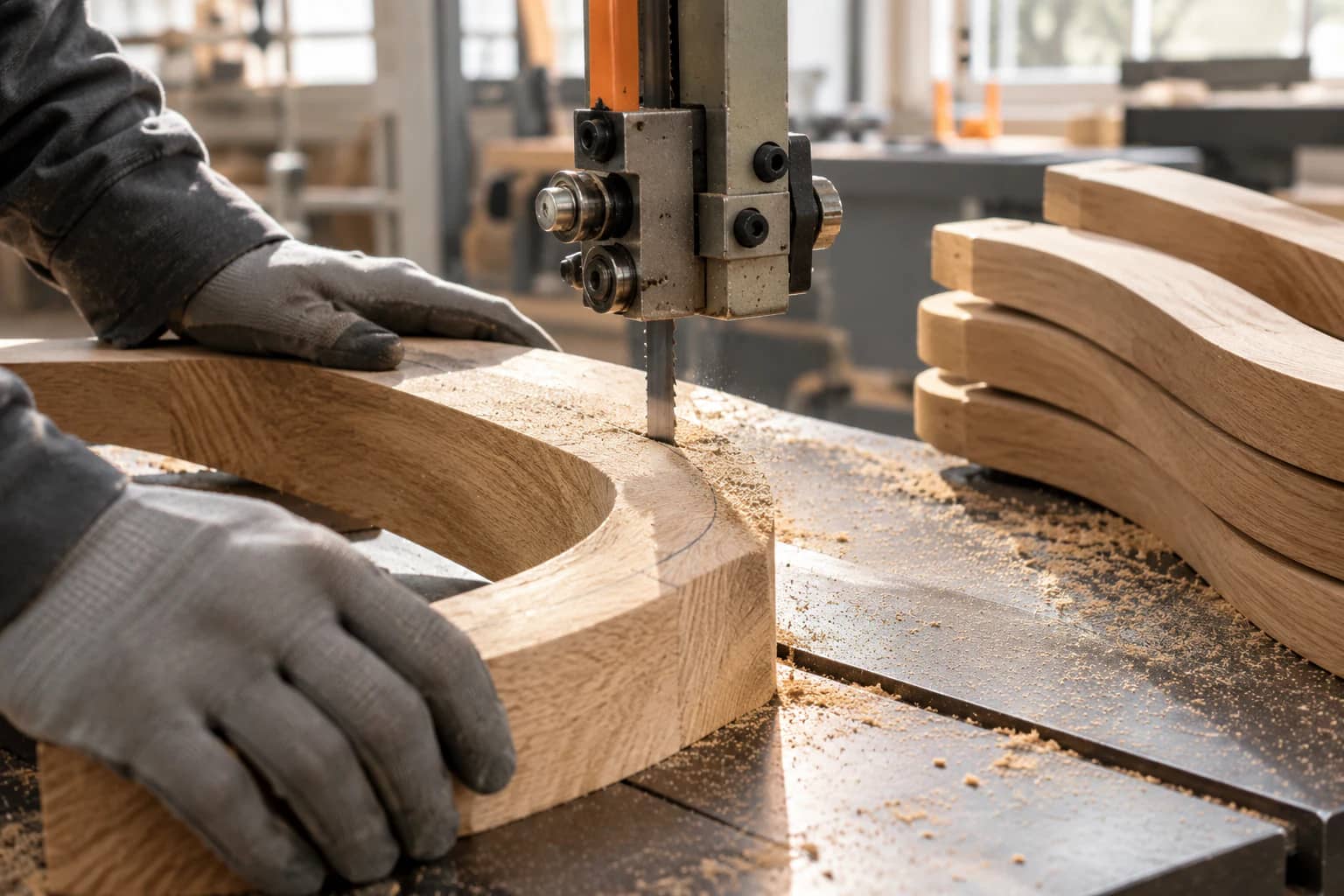
Industry guide
Timber and Sawmilling
Cutting hardwood for a living? The industry guide maps the whole workload, not just this material.


Frequently asked questions
What blade should I use to resaw hardwood?
What blade do I need for very hard or abrasive timber?
How do I know when to change a bandsaw blade in hardwood?
Tell the blade wizard your machine and length and it will narrow the range for hardwood.
Find my blade