
Material guide
Bandsaw blades for GRP and composites
Glass and carbon fibres blunt conventional teeth in minutes. The blades that last are toothless: grit edges coated in tungsten carbide or diamond grind through GRP, carbon fibre layups and laminates without snagging the weave.
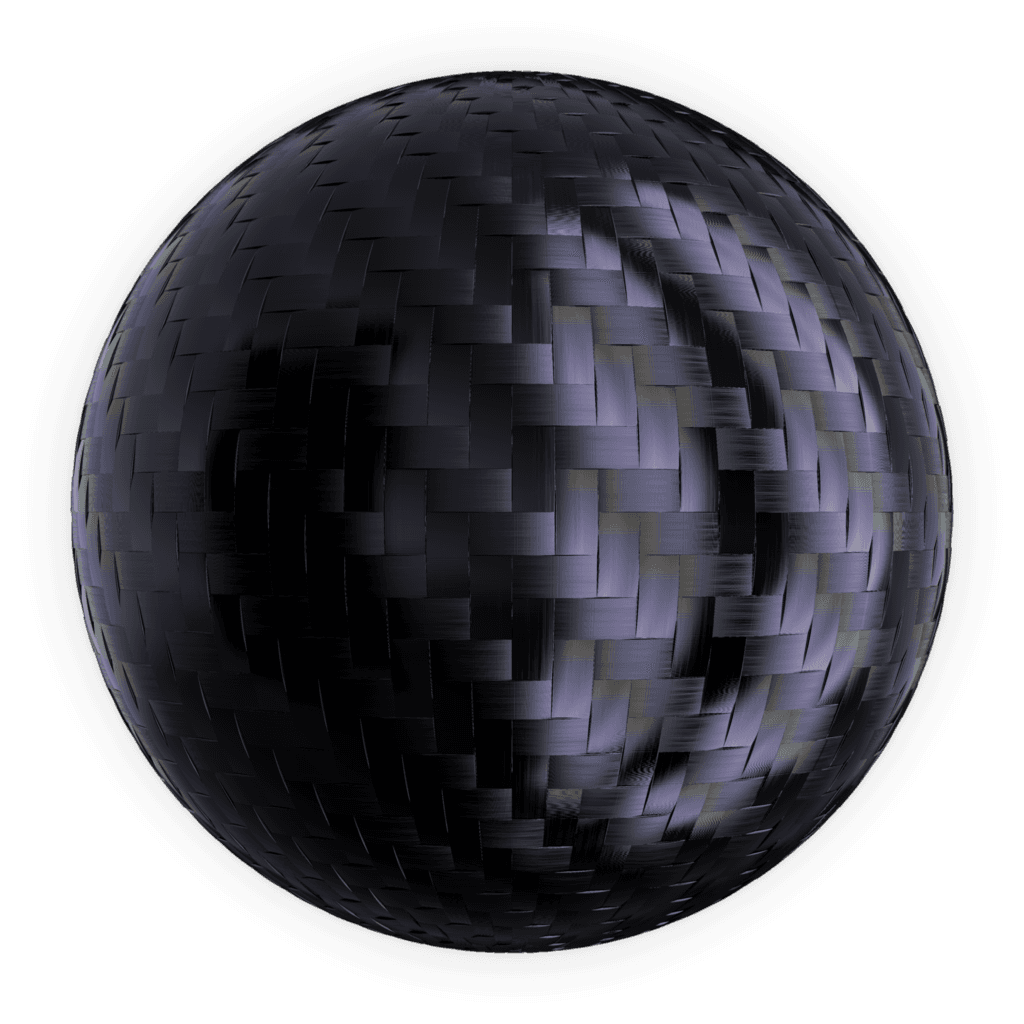
The problem with cutting grp and composites
Glass-reinforced plastic is a blade killer by design. The fibres that give it strength are hard and abrasive, so every pass drags them across the tooth tips of a conventional blade. The edge dulls fast. Once it stops shearing cleanly the blade starts to rub. Rubbing generates heat, the resin softens and the gullets pack solid with sticky dust. A clogged blade cuts slower, runs hotter and wanders in the kerf.
The workpiece suffers with it. Blunted teeth stop cutting fibres and start hooking them, pulling strands out of the matrix and lifting plies apart. Carbon fibre layups and laminates fray at the exit face, so a cut that started clean finishes ragged.
A grit edge sidesteps all of this. With no teeth to blunt and nothing to hook the weave, tungsten carbide or diamond particles simply grind a kerf straight through fibre and resin together. The edge wears gradually rather than failing suddenly, so the cut quality stays consistent from the first metre to the last.
Recommended blades for grp and composites
No blade is listed in the shop for grp and composites at the moment. If you cut it regularly, ask about it on the contact page.
Ask on the contact pageGetting the cut right
General rules that hold across machines. Exact widths, pitches and options are on each product page.
Choose the right grit edge
Both edges cut GRP, so choose on the wider job list. Tungsten carbide grit is the economical option for abrasive work short of glass-hard materials and also handles graphite, cast iron and wire-reinforced rubber. Diamond suits mixed workloads that take in glass, industrial ceramics and silicon materials alongside your composite cutting.
Feed lightly and steadily
A grit edge grinds its way through rather than shearing chips, so it will not respond to force the way a toothed blade does. Feed with steady, light pressure and let the abrasive set the pace. Pushing harder only builds heat, softens the resin and smears the cut face.
Manage heat and dust
Composite dust is abrasive to the machine and unpleasant to breathe, so run extraction at the cut and keep guides and wheels clean. Heat is the other enemy: it softens the resin and loads the edge. Pause on long cuts if the workpiece gets hot and let the band clear itself.
Support the laminate
Laminates fail at the exit face first, so support thin panels close to the cut line and keep the blade guides set close to the work. Correct band tension matters as much as on any blade: a slack band wanders in the kerf and a wandering cut frays the plies.
Industry guide
Stone, Glass, Ceramics and Composites
Cutting grp and composites for a living? The industry guide maps the whole workload, not just this material.


Frequently asked questions
What bandsaw blade do I need for cutting GRP?
Will an ordinary woodworking blade cut carbon fibre?
What blade stops frayed edges when cutting composite panels?
Tell the blade wizard your machine and length and it will narrow the range for grp and composites.
Find my blade